Consumers to get more units for less as electricity tariffs decline
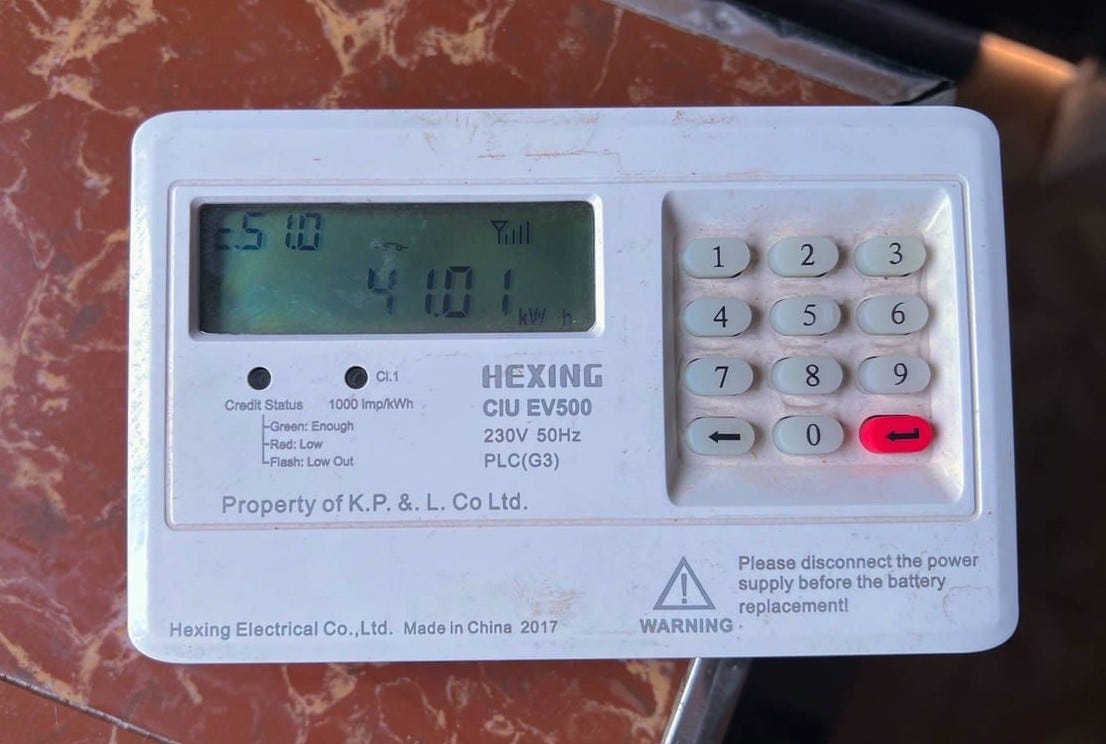
The reduction in power costs comes at a critical time, giving households more purchasing power during the holidays and helping businesses lower their operational expenses.
The fall comes as key components of the electricity tariff, including the fuel cost charge (FCC) and forex adjustment fee, decline, allowing consumers to get more electricity for the same amount of money.
Domestic consumers using between 30 and 100 kilowatt-hours (kWh) now receive 12.6 units for Sh500, an increase from 12.2 units last month.
More To Read
- Auditor General flags Kenya Power for missing 30 per cent tender quota for youth, women, and PWDs
- Kenya’s electricity demand hits all-time high of 2,439 MW, straining power generation capacity
- State agencies, counties owe Kenya Power Sh4.67 billion in unpaid bills - Auditor General
- Kenya Power ends manual applications, new connection requests exclusively via website
- Over 16,000 in the dark as Kenya Power struggles to procure essential meters, transformers
- 122 electrocuted as illegal connections, encroachment rise - Kenya Power
Those paying Sh200 get 10.1 units compared to 9.8 units previously.
According to data released by the Energy and Petroleum Regulatory Authority (Epra), the FCC and forex adjustment fees have reached their lowest levels this year, reflecting steady fuel prices and lower availability of thermal power in the national grid.
This month, Epra has set the FCC at Sh3.42, down from Sh3.81 in November, while the forex adjustment fee is Sh0.68, a drop from Sh0.95.
These two components are the second and third largest contributors to electricity bills after the consumption charge, making their reduction a major relief for consumers.
The decrease is expected to ease household budgets as electricity consumption typically rises during Christmas and New Year celebrations.
Electricity prices had edged up in October following an increase in FCC and forex charges. Kenya Power uses the FCC to pay thermal power plants that rely on diesel and heavy fuel, while the forex adjustment fee covers foreign loans used to build power plants.
Other charges included in electricity bills are a 16 per cent Value Added Tax, an inflation adjustment reviewed every six months, the rural electrification levy, water resources levy, energy regulatory levy, and additional sector fees.
The reduction in power costs comes at a critical time, giving households more purchasing power during the holidays and helping businesses lower their operational expenses.
Analysts say this decline will allow both domestic and commercial consumers to better manage their electricity usage during the high-demand festive period.
Top Stories Today